Khizar Rouf

Research Fellow
Technical Skills
Machine Learning, Deep Learning, Python, SQL, Azure
Education
- Ph.D. Mechanical and Mechatronics Engineering - September, 2023
University of Waterloo, Waterloo, ON, Canada - M.S. Aeronautics & Astronautics Engineering - December, 2017
Purdue University, West Lafayette, IN, USA
Relevant coursework: Statistical Methods, Applied Regression Analysis, Design of Experiments, Computational Methods, Linear Algebra Applications, Advanced Mathematics for Engineers and Physicists I, Vector Calculus - B.Sc. Textile Engineering - January, 2008
National Textile University, Faisalabad, Pakistan
Certifications
- Coursera Deep Learning Specialization
Courses: Neural Networks & Deep Learning, Structuring Machine Learning Projects, Convolutional Neural Networks, Improving Deep Neural Networks, Sequence Models - Microsoft Certified: Azure AI Fundamentals
Project 1 - Predict Mortgage Defaults Using Freddie Mac Datasets.
Details and code available here
- Developed a classification model to predict whether a home loan will default or not.
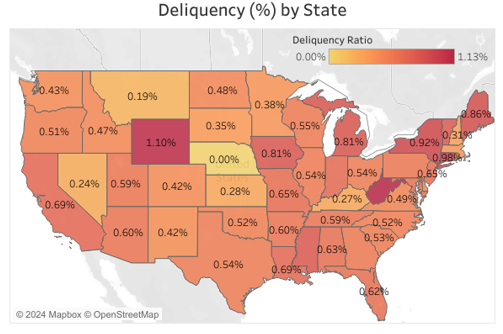
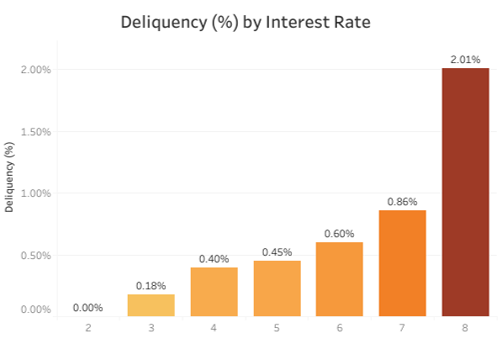
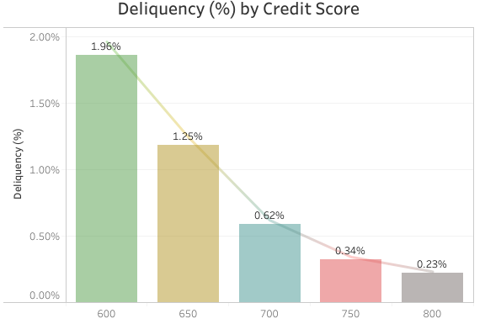
- Gathered large data sets from the Freddie Mac website and visualized in Tableau.
- Preprocessed the data in Azure ML using Python libraries. Performed outlier detection with a scalable unsupervised outlier detection framework. The data was stratified to ensure representative coverage across all states.
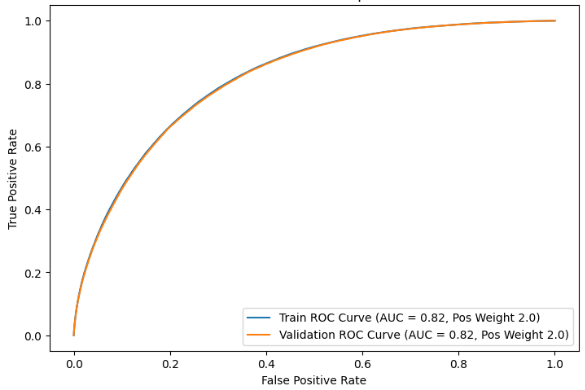
- Trained a neural network to minimize false negatives and maximize ROC AUC. The model’s performance was tracked with MLflow. The penalty functions were applied to address class imbalance. A custom batch sampler class was implemented to further refine the model’s training process.
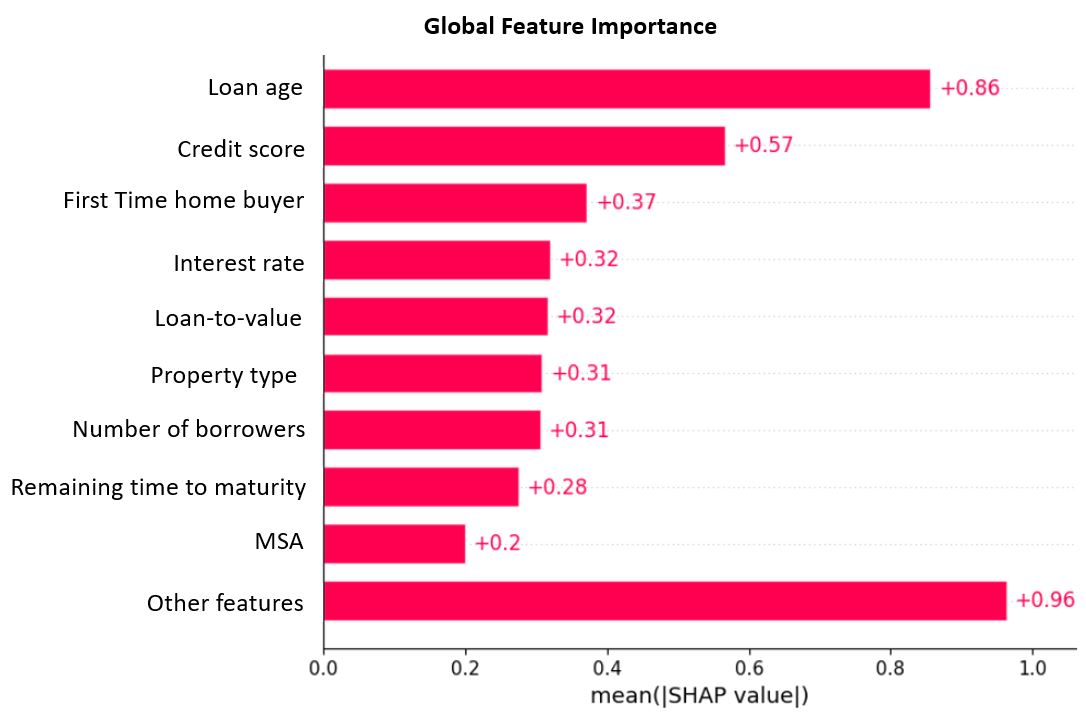
- Performed SHAP to identify important features and their contributions.
- Deployed the model locally via FastAPI for inference.
Project 2 - Predict Effective Properties of Materials Based on Microstructure and Constituent Properties.
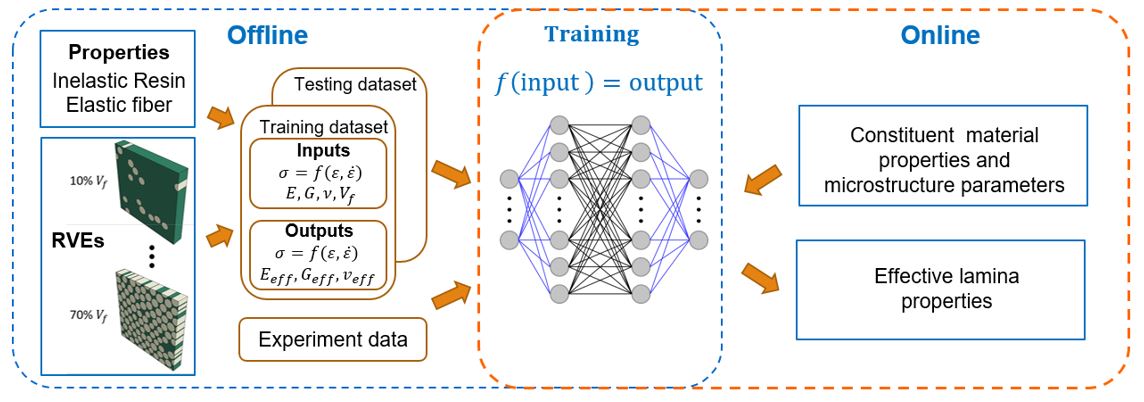
- Developed a supervised regression model to predict the effective properties of a material based on its microstructure and constituent properties.
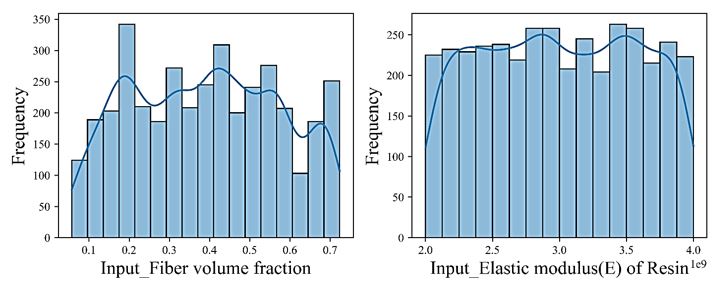
- Automated dataset generation in simulation software by developing and implementing Python scripts.
- Identified and removed outliers using the standard deviation method and normalized the data to scale features for better model performance.
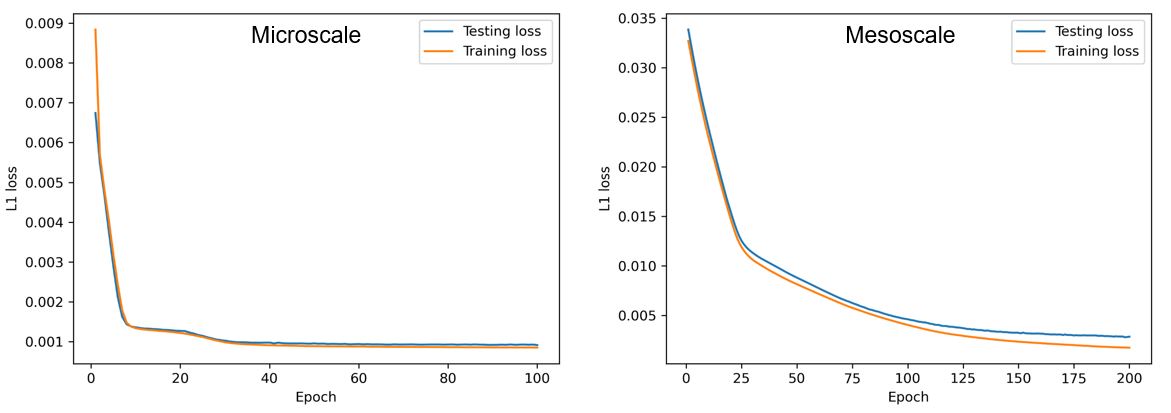
- Trained and validated Artificial Neural Network (ANN) and XGBoost models to predict the effective properties of the material.
- The trained model significantly reduced the inference time compared to the conventional modeling approach, while maintaining the same level of accuracy.
Project 3 - Development of a Convolutional Neural Network for Defect Detection.
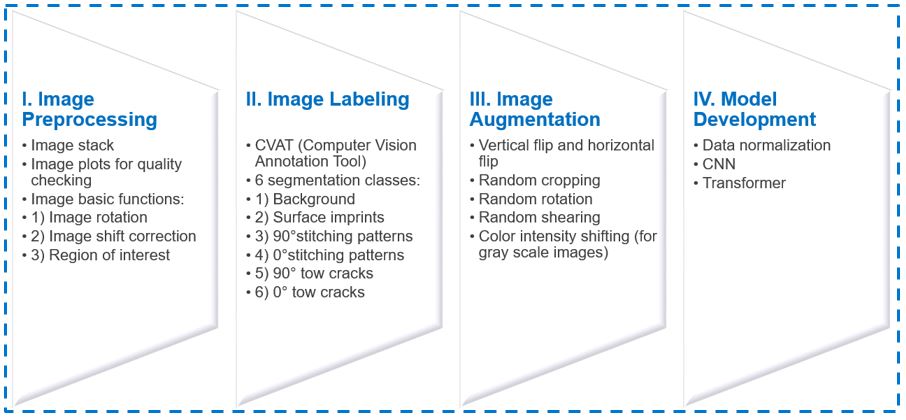
- Developed a convolutional neural network (CNN) to automate defect detection and quantification in material samples.
- Gathered experimental data by capturing images with cameras during testing.
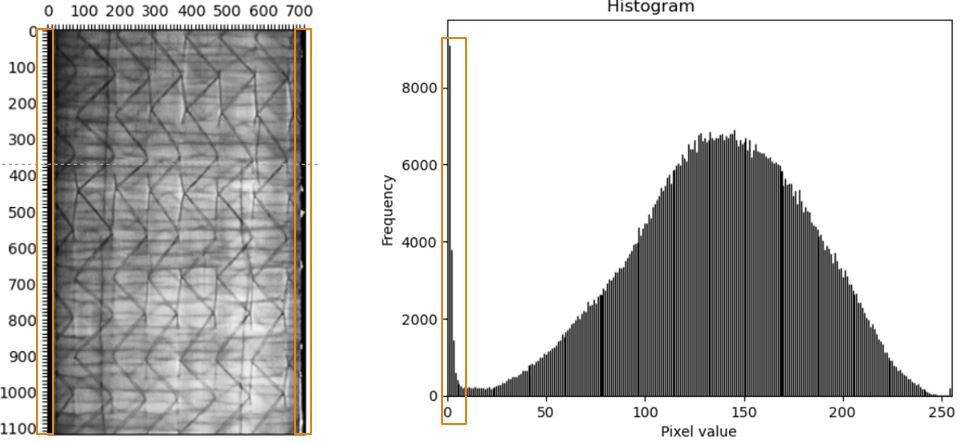
- Preprocessed large image datasets using Pillow Python library to enhance image quality and consistency, including resizing, normalization, and augmentation techniques, ensuring a robust dataset for training the defect detection model.
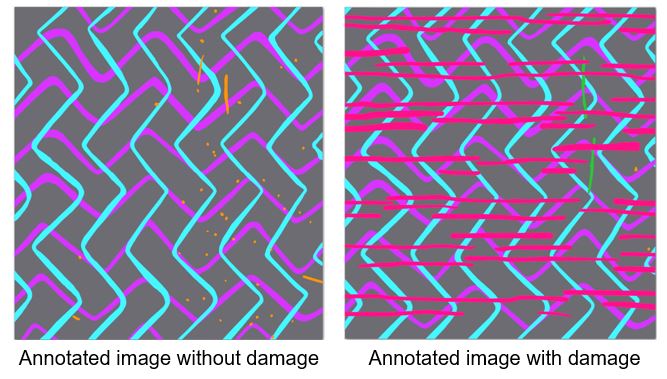
- Utilized CVAT AI to annotate images with high accuracy, applying bounding boxes to create a labeled dataset, enabling the convolutional neural network (CNN) to effectively learn defect patterns.
- Trained a CNN model using the U-Net architecture, optimizing it for material defect detection.
Project 4 - Development of an AI-Driven Tax Filing with OCR and RAG.
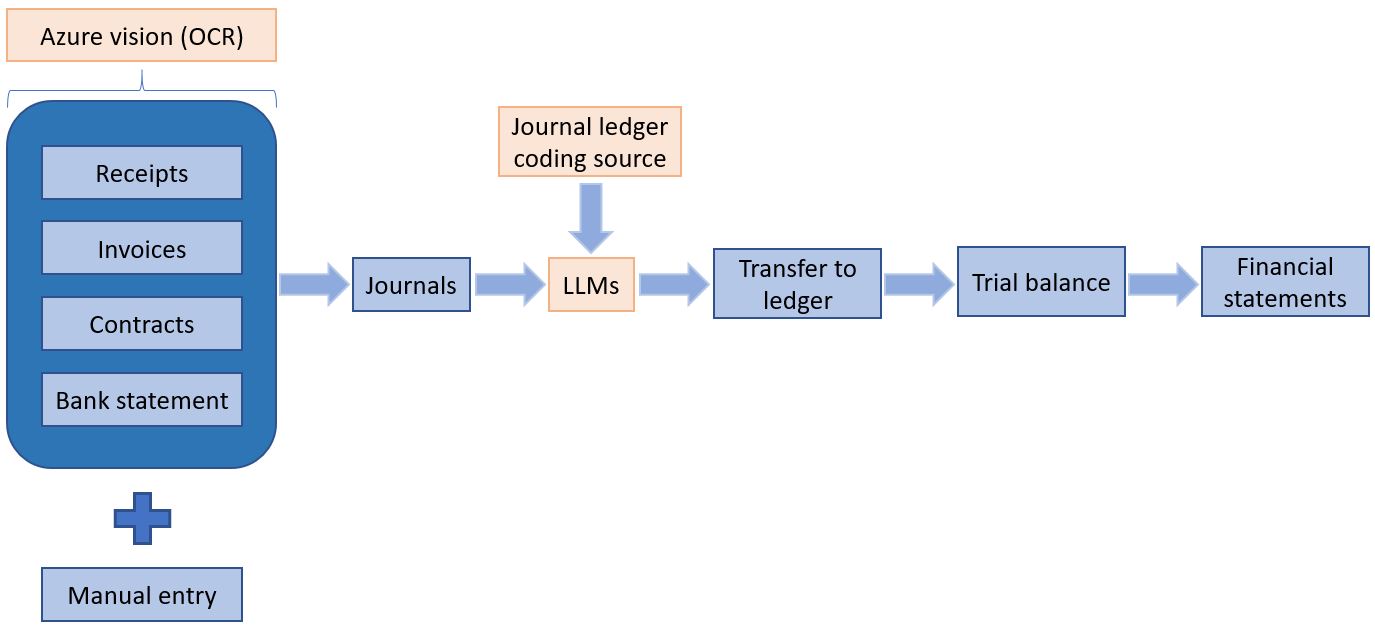
- Develop an AI-powered tax filing system for small businesses on Microsoft Azure AI.
- Implement a hybrid LLM solution with NLP and RAG to extract insights from structured and unstructured CRA documents.
- Integrate OCR for receipt extraction, automate ledger and tax filing, and apply NLP and RAG for document processing.
- Measure system performance, accuracy, and efficiency in automating tax filing tasks.
Project 5 - Analyzing Stock Data on Databricks Using PySpark and Spark SQL.
Details and code available here
- Analyzed stock data on Databricks using simple and advanced SQL queries for CRUD operations, joins, aggregations, and UDFs.
- Utilized PySpark for efficient processing and analysis of large datasets.
- Generated insights through advanced queries for data exploration and reporting.
Other projects - Physics-based Modelling
During my graduate studies, I developed several models and frameworks for physics-based modeling, including invariant-based methods, variational methods, finite element methods (FEM), and empirical approaches. I implemented these models in commercial software using Python scripts and Fortran subroutines. Much of this work has been presented at top conferences and published in leading journals. Some of my publications related to these physics-based models can be found here: